Prince Henry's
High School

House System


THE HOUSE SYSTEM

Welcome to the Prince Henry’s High School House System,The House System is a vital and vibrant part of our school community. It serves as a connecting thread that runs through every aspect of school life — from the House Points awarded for going above and beyond, to the points earned through the wide range of competitive House events held throughout the year.

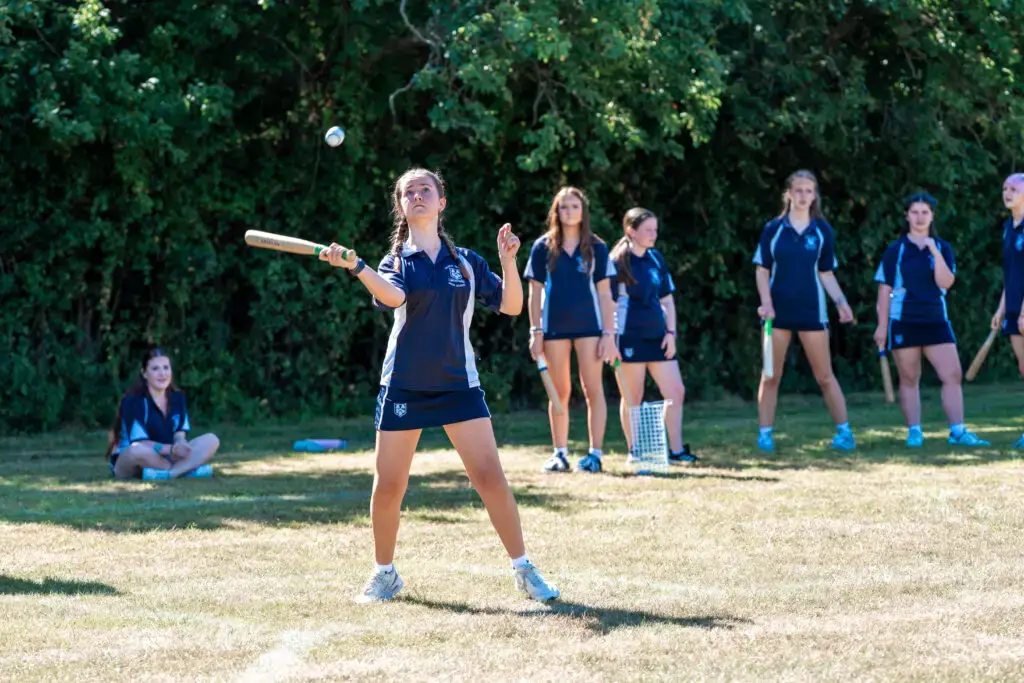
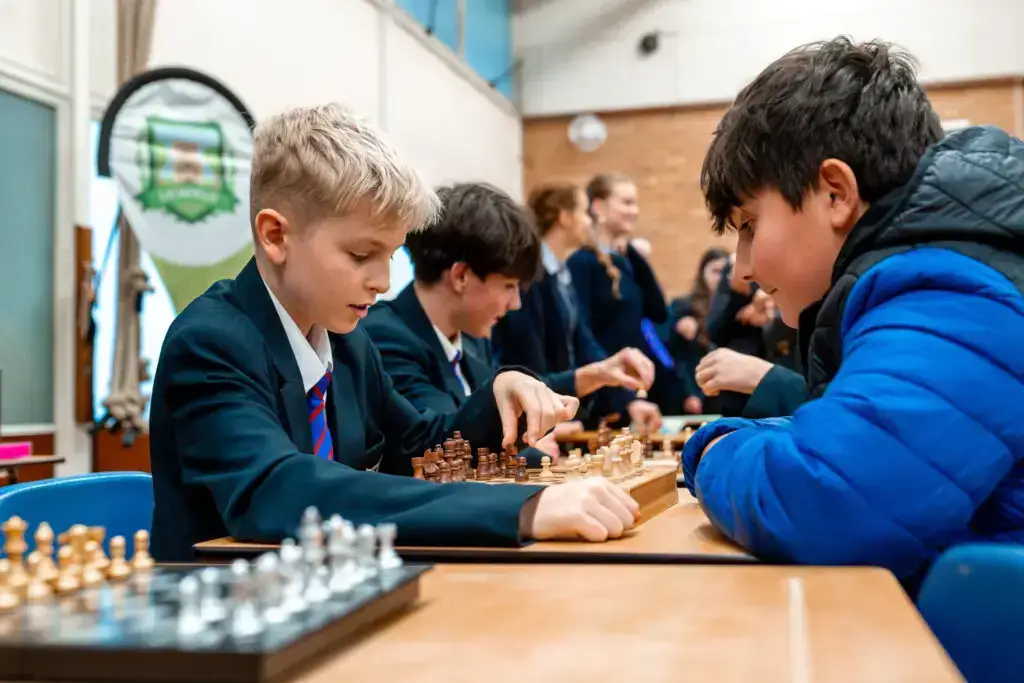
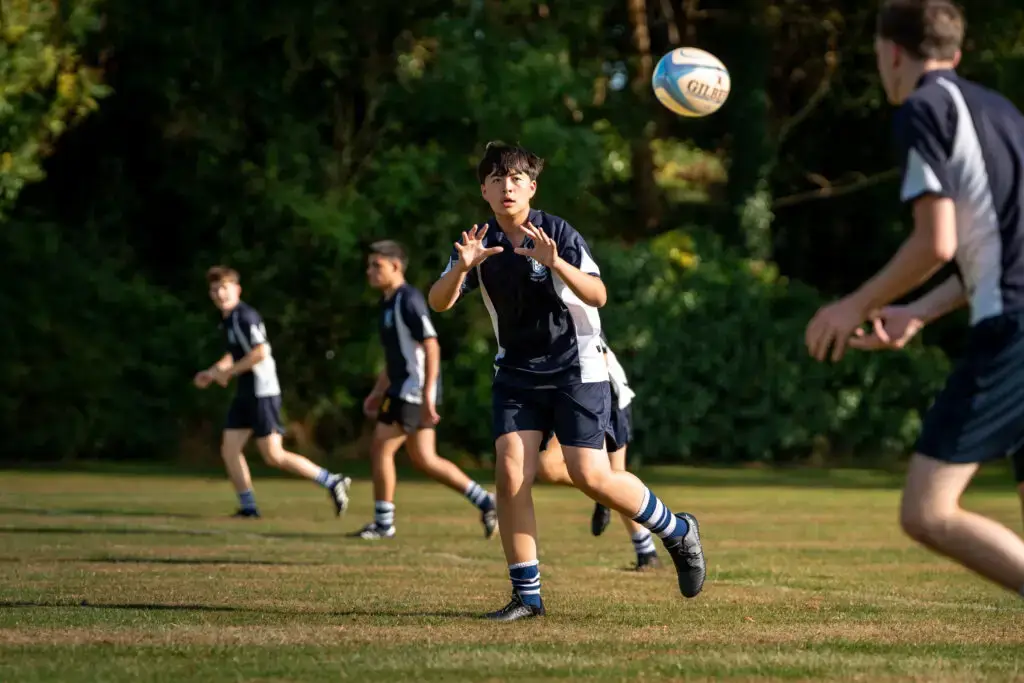
Students have so many opportunities to get involved, whether through academic challenges, creative competitions, sporting events, or leadership roles within their House. These activities not only allow them to showcase their talents, but also help them develop confidence, resilience, teamwork, and a strong sense of belonging.

It is fantastic to see students continually striving for their own personal success as well as the pride and progress of their House. The friendly rivalry, shared goals, and collective celebrations bring energy to the school community and help create lasting memories. Ultimately, the House System encourages every student to contribute positively, support one another, and take pride in being part of something bigger than themselves.

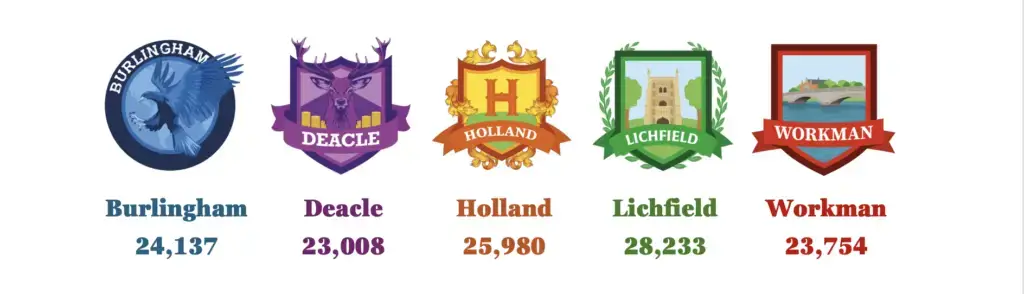
To see more about the Houses, please click on the badges below.

Mr Loader
House Co-ordinator


Mr Dingley
The Head of House for Burlingham is Mr Dingley who teaches English, is a Form Tutor and runs the Creative Writing Club.

Mr George

The Head of House for Deacle is Mr George who teaches IT, is a Form Tutor and runs the Retro Gaming Club and Cyber Security Club.

Miss Fenney

The Head of House for Holland is Miss Fenny who teaches Physical Education, is Assistant Head of Year and runs multiple Sports Club.

Mr Price
The Head of House for LichField is Mr Price who teaches History, is a Form Tutor and runs Board Games Club.

Miss Davis
The Head of House for  Workman is Miss Davis who teaches Geography, is a Form Tutor and runs ‘Magic the Gathering’ Club.

House Badges

At Prince Henry’s High School, House Points are awarded to students for going above and beyond in all aspects of the school community. Whether that’s for an excellent piece of class work, helping a teacher or friend, winning a sports event or taking part in the school show, just to name a few. As you start Year 9 you will begin to collect House Points and work your way through the House Badge milestones whereby you will be awarded your relevant badge in the House Assemblies by your Head of House, Mr Loader (House Co-ordinator) and members of the Senior Leadership Team. Badges are then worn proudly on your blazers throughout your time here at Prince Henry’s to show your dedication and achievement.

Bronze – 60 House Points

Silver – 120 House Points

Gold – 180 House Points

House Award – 
240 House Points

Special Recognition Award – 300 House Points 

Alongside your personal achievements with House Points you will work closely with your peers across all year groups as a house community to strive for success in many other House Events leading to the biggest day in the House calendar, Games Day and Sports Day.


https://vimeo.com/1100447623/91e12e8f54?fl=tl&fe=ec

Latest House News


See all news

History of the House Badges

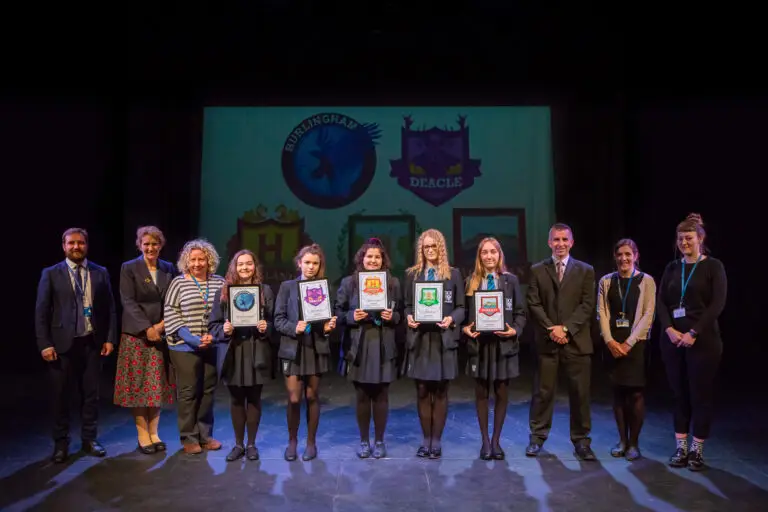
The current House Badges that we see on a daily basis were created back in 2019 by Amber Davis (Burlingham), Imogen Clive (Deacle), Alessia Kilicaslan (Holland), Poppy Frost (Lichfield) and Amy Watson (Workman).

The competition was first launched in 2019, inviting Art and Design students to create new House logos.

Students were challenged to design a set of logos inspired by the history of the different Houses or by imagery that reflected the values and spirit of the House System at Prince Henry’s High School. The Art and Design Department received hundreds of creative submissions from Year 9 students, making the selection process both exciting and challenging. From these entries, five winning designs were chosen—these are the logos we use today.The five students behind the winning designs were celebrated within the school community, and their work now holds a lasting place in the school’s history.

Who was Prince Henry?

Who was Prince Henry?

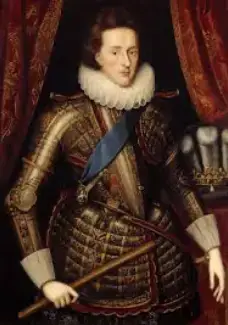
Henry Frederick, Prince of Wales (1594–1612), was born early on 19 February 1594 at Stirling Castle. He was the eldest child of King James VI of Scotland (1566–1625) and Anne (1574–1619), second daughter of Frederick II, King of Denmark, and Sophia, and older sister of Christian IV.

Two days after Henry’s birth, arrangements were made for his fostering by James’s confidante, John Erskine, second Earl of Mar, and his mother, Annabel Murray. Stirling Castle was then Mar’s residence and there the prince was to live, legally removed from his reputedly Roman Catholic mother.

The courageous, resilient youth proved especially adept at sports and physical exercises, demonstrating early a penchant for horse-riding and military matters.

When Elizabeth I died in late March 1603, James VI of Scotland was immediately recognised as King James I of England, and Henry acquired the title, Duke of Cornwall. Henry and his mother Anne together departed for England on 1 June 1603.

Prince Henry often displayed a preference for sports over learning. An apocryphal tale has James scolding Henry for his lack of diligence in studies compared to his younger brother Charles, and Henry retorting, then ‘we’ll make him Archbishop of Canterbury’.

Sir Charles Cornwallis, treasurer of Henry’s household and his biographer, remarked that the prince ‘pl[ied] his book hard for two or three years, continuing all his princely sports: hawking, hunting, running at the ring, leaping, riding of great horses, dancing, fencing, tossing of the pike’.

On 4 June 1610 Henry was created Prince of Wales and Earl of Chester by his father in an elaborate ritual. The ceremony took place in the court of requests at Westminster Palace before both houses of parliament and numerous guests; everyone compared the ceremony to a coronation.

Henry fell desperately ill with fever (now thought to be typhoid) in mid-October; despite the best efforts of a bevy of doctors, including the king’s physician, he died on 6 November 1612. St James’s was draped in black, and there was widespread grief across the nation, shared by many abroad. He lay in state for more than a month until his funeral on 7 December at Westminster Abbey.

Oliver, I.  (2004, September 23). Henry Frederick, Prince of Wales (1594–1612). Oxford Dictionary of National Biography.

Why is our school named after Prince Henry?

During the reign of Henry VIII, Clement Lichfield (the last Abbot of Evesham Abbey) built a new school building at Merstow Green. However, the school lost its endowment during the Dissolution of the Monasteries, and the people of Evesham were without a school for the best part of the next century.

However, in 1605, upon the grant of a new charter to the town of Evesham by James I, it was ordained that there should be a new school, to be styled ‘the Free Grammar-school of Prince Henry of Evesham’.

In 1879 Prince Henry’s Grammar School was moved from Merstow Green to Lanesfield on Greenhill.

Lanesfield remained the location of the school until 1910, when the recently merged Prince Henry’s Grammar School and Deacle School moved into new buildings at the school’s current site on Victoria Avenue.